English
  French
  German
  Spanish
  Portuguese
  Dutch
Dutch  Italian
  Russian
  Chinese
  Japanese
  Korean
  Indonesian
  Thai
Thai  Vietnamese
  Arabic
  Turkish
  Hebrew
  Hindi
Hindi 

Many global food importers and consumers misunderstand Monosodium Glutamate (MSG) as a chemically synthesized artificial additive. In fact, modern food-grade MSG is 100% produced through natural microbial fermentation, using safe plant-based raw materials. The production process is similar to making bread, wine, and vinegar, fully compliant with international food safety standards.
Below is the complete industrial manufacturing process of standard E621 food-grade MSG.
1. Natural Plant Raw Material Preparation
MSG production starts from renewable, starch-rich crops such as corn, cassava, and wheat. These natural grains are cleaned, crushed, and processed into purified glucose liquid. No industrial chemical raw materials are used in this stage. The high-quality glucose solution provides a stable and safe foundation for subsequent fermentation.
2. Microbial Fermentation (Core Process)
This is the most critical step in MSG production. The refined glucose liquid is transported to large, sterile fermentation tanks. Safe, food-grade probiotic strains (Corynebacterium glutamicum) are added to convert sugar into L-glutamic acid through natural biological fermentation.
The entire fermentation process runs under strictly controlled temperature, pH value, and oxygen levels. It is a pure biological reaction without chemical synthesis, ensuring the final product is non-toxic and food-safe.
3. Filtration & Purification
After fermentation is completed, the crude liquid contains glutamic acid, microbial residues, and minor impurities. The solution undergoes multi-stage precision filtration, decolorization, and purification to remove all waste substances. Only pure glutamic acid liquid is retained, meeting international food-grade cleanliness standards.
4. Neutralization & Crystallization
Pure glutamic acid is neutralized with food-grade sodium solution to form monosodium glutamate liquid. The solution is then concentrated and cooled in professional evaporator equipment to grow transparent MSG crystals.
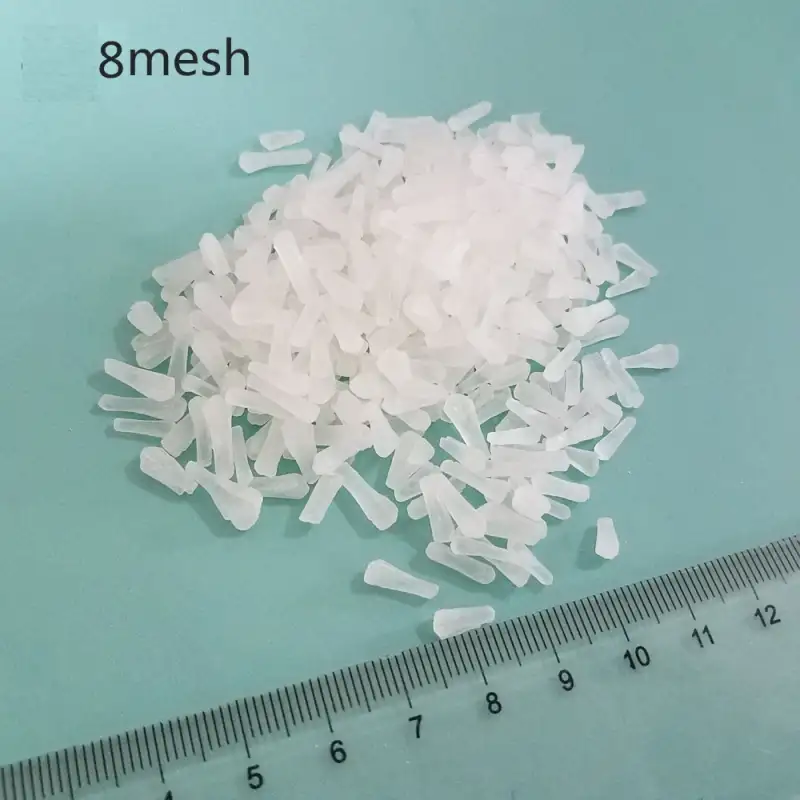
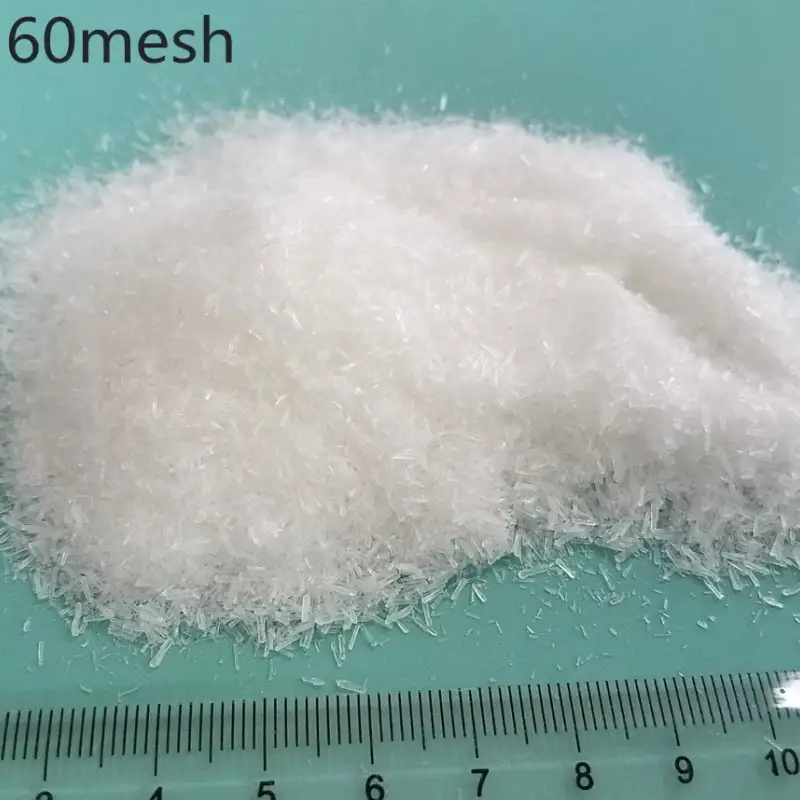
Crystal size is fully adjustable during this process. Our factory precisely controls crystallization parameters to produce large crystal, regular crystal, and fine powder MSG for different regional market demands.
5. Drying, Screening & Quality Inspection
The crystallized MSG is dried to control moisture content below 0.5%. Automatic screening machines classify finished products by mesh size to ensure uniform particle appearance. Every batch undergoes strict inspection on purity, transparency, solubility, and impurity indicators before leaving the factory.
6. Final Packaging
Qualified MSG is packed in standard 25kg woven bags or kraft paper bags. Custom packaging and OEM private label printing services are available for global distributors.
The Truth: MSG Is Not Chemically Made
Old-fashioned chemical synthesis methods have been completely eliminated in modern food-grade MSG production. Today’s commercial MSG isfermented from natural grains. Its core ingredient, glutamic acid, is exactly the same as the natural umami substance found in tomatoes, mushrooms, and seaweed.
This explains why FDA, JECFA, and EFSA all recognize MSG as a safe, natural food additive with no health risks for regular consumption.
Why Choose Our Factory MSG
We own six modern automated MSG production lines with standardized fermentation and purification systems. With a monthly export capacity of 90 containers, we guarantee stable quality, consistent crystal appearance, and on-time bulk delivery. Our food-grade E621 MSG is widely exported to Africa, Middle East, Southeast Asia, and South America, with complete Halal and customs clearance documents.