 Turkish
  English
  French
  German
  Spanish
  Portuguese
  Dutch
Dutch  Italian
  Russian
  Chinese
  Japanese
  Korean
  Indonesian
  Thai
Thai  Vietnamese
  Arabic
  Hebrew
  Hindi
Hindi 
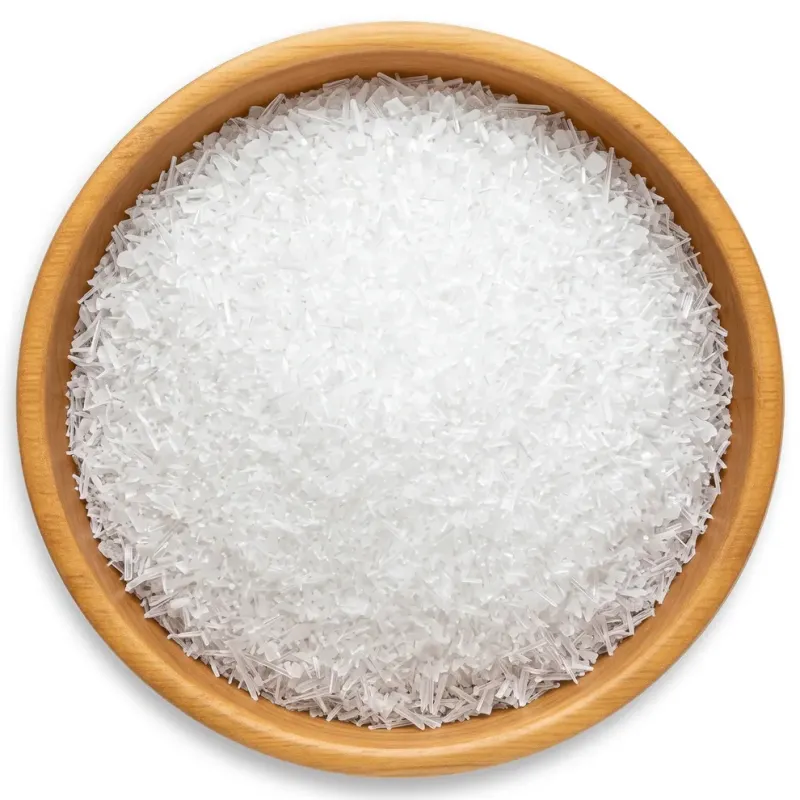
Monosodyum Glutamat (MSG), commonly known as seasoning powder or umami enhancer, is a globally approved food additive coded E621. It is the sodium salt of glutamic acid, one of the most naturally occurring amino acids in foods and human bodies. For more than a century, MSG has been widely used in the food industry to deliver pure, stable, and natural umami taste to all kinds of savory food.
1. Basic Definition of MSG
MSG is a white, odorless, water-soluble crystalline powder or particle. It is produced through modern microbial fermentation instead of chemical synthesis, making it safe, clean, and food-grade compliant. Its core function is not to add new flavor, but to strengthen and balance the original savory taste of food, creating a fresh, rich umami sensation known as the fifth basic taste beyond sweet, sour, bitter, and salty.
2. How Does MSG Work in Food?
Human taste buds contain specific receptors for glutamate. When MSG dissolves in food, it activates umami receptors and significantly improves flavor richness. Compared with traditional salt and spices, MSG can enhance taste while reducing excessive sodium intake, making food fresher and not greasy.
-
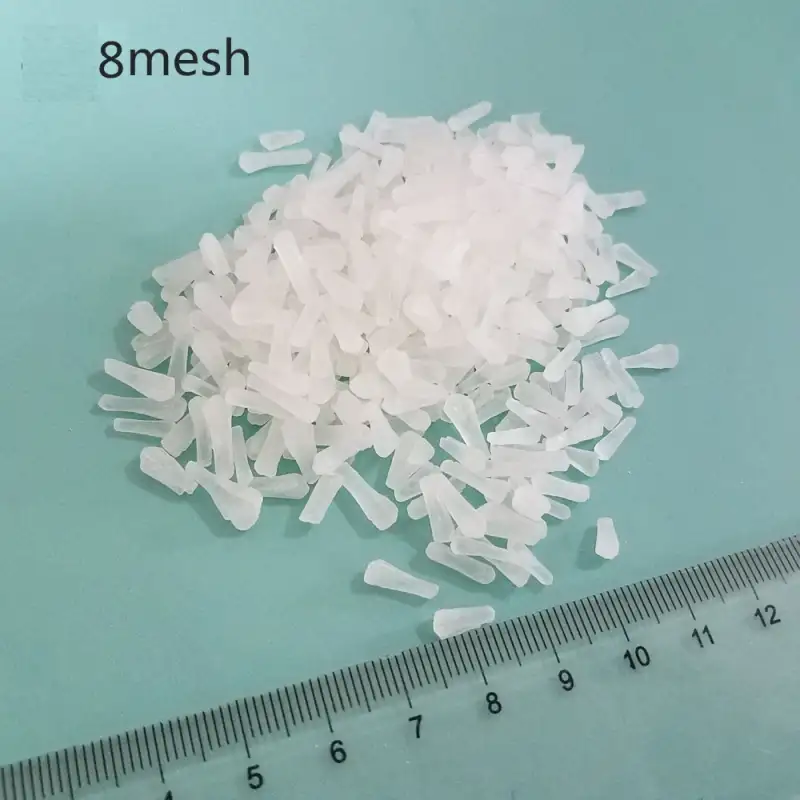
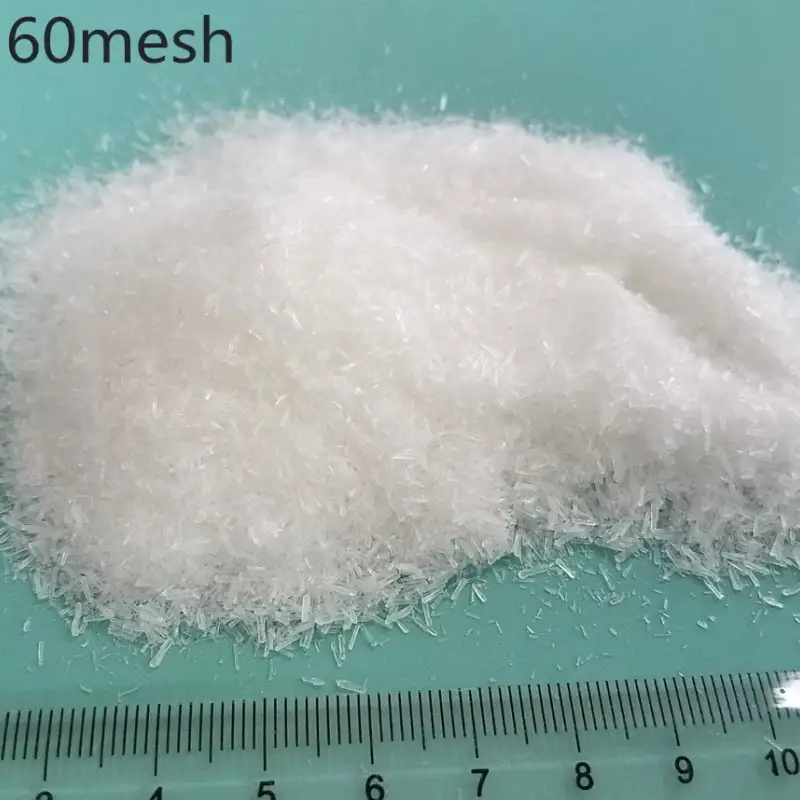
Fine Powder MSG: Super fine powder for food factory processing, spice blending, and instant food production.
-
Canned food, frozen food, meat products
China is one of the largest MSG production and export bases in the world. Our factory owns 6 advanced production lines with a monthly export capacity of 90 containers, ensuring stable supply and competitive factory price.
Monosodium Glutamate (MSG/E621) is a safe, mature, and irreplaceable food flavor enhancer in the global food industry. With stable quality, flexible customization, and large-scale production capacity, it remains the most cost-effective seasoning solution for global food importers and wholesalers.
?)